
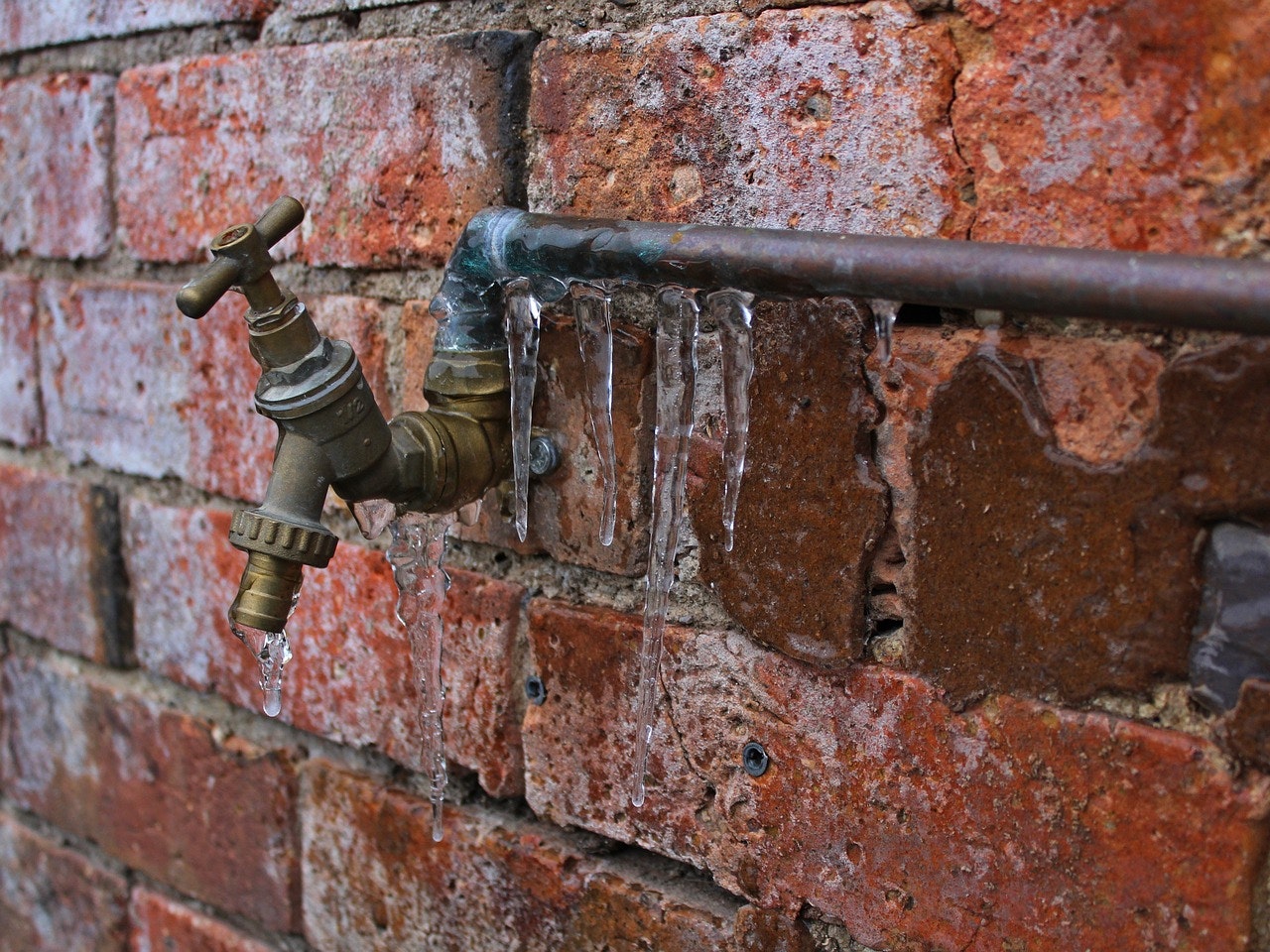
Pipes in an unheated or unoccupied shore home are among the most vulnerable parts of a property during an Ocean County winter. For seasonal homeowners on the Barrier Islands, professional plumbing winterization can help protect against frozen lines, burst pipes, and the costly water damage that can occur while no one is there to notice it. Patriot Plumbing helps homeowners in Toms River, NJ, Lavallette, Manahawkin, Point Pleasant Beach, and surrounding coastal communities prepare their homes before the off-season.
If you are wondering how to winterize a shore house in NJ, the right answer depends on the home’s plumbing layout, heating plan, outdoor fixtures, and how long the property will sit vacant. A thorough pre-winter inspection gives you a clear plan and helps ensure that water is removed from vulnerable lines before freezing weather arrives.
Why Empty Shore Homes Face Greater Freeze Risk
A primary residence often has regular heat, daily water use, and occupants who can spot a drip or leak quickly. A seasonal shore home may have long periods with the thermostat lowered, no one opening faucets, and no one present if a cold snap causes a pipe to freeze.
That is especially important in coastal homes with outdoor showers, hose connections, crawl spaces, garages, utility rooms, and plumbing located near exterior walls. Even though the Jersey Shore has a milder climate than some inland areas, a sustained freeze can still turn trapped water into expanding ice. When water freezes, it can place damaging pressure on pipes, fittings, valves, and fixture bodies.
For a barrier island home, plumbing winterization is not simply a seasonal chore. It is an investment in protecting the home, its finishes, and the time you want to spend enjoying it next spring.
Start With the Main Water Shutoff
Before leaving for the season, locate and clearly identify the main water shutoff. It may be near the water meter, in a mechanical room, basement, crawl space, garage, or utility closet. Every homeowner should know where it is and make sure it can be reached easily.
For many vacant homes, the winterization process begins by turning off the main water supply. This prevents the system from continuing to feed water into the home if a pipe develops a leak. From there, the remaining water in the plumbing system should be drained through faucets, fixtures, and designated drain points as appropriate for the property.
Simply shutting off the water is not always enough. Water can remain trapped in low spots, exterior lines, shower valves, hose bibs, and branch piping. Patriot Plumbing can evaluate the system and determine where draining, isolation, or additional protection is needed. This is one reason homeowners asking who do I call to winterize my beach house plumbing
often choose a licensed plumbing professional rather than relying on a quick checklist alone.
Drain Outdoor Fixtures and Blow Out Shower Lines
Outdoor plumbing needs special attention at shore homes. Outside showers, hose bibs, outdoor sinks, and water lines serving decks or outdoor kitchens are exposed to colder temperatures and wind. An outdoor shower may look simple, but water can remain behind a valve or inside supply lines even after the handles are turned off.
A proper winterization visit may include shutting off the dedicated supply to the outdoor fixture, opening the fixture to drain it, and using compressed air where appropriate to blow out residual water in the lines. This is particularly helpful for seasonal homes with long exterior runs or outside shower plumbing that cannot drain completely by gravity.
Do not overlook any outdoor water features when closing a property. Learn more about protecting exterior plumbing and seasonal amenities on Patriot Plumbing’s Outside Water & Outdoor Kitchens
page.
Standard Hose Bib vs. Frost-Free Hose Bib
A standard hose bib is a conventional outdoor faucet with its shutoff point close to the exterior wall. If water remains inside the faucet or supply pipe during a freeze, that water can expand and damage the fixture or pipe behind the wall.
A frost-free hose bib is designed differently. Its valve seat is positioned farther inside the heated portion of the home, which reduces the amount of water left in the exposed exterior section when the faucet is turned off. That design can offer better freeze protection for a Jersey Shore home, but it is not maintenance-free. A frost-free bib still needs to be installed correctly, and a connected hose must always be removed before winter. A hose left attached can hold water against the fixture and defeat the benefit of the frost-free design.
For homes in Lavallette, Point Pleasant Beach, and other exposed coastal locations, upgrading worn or poorly positioned outdoor faucets can be a practical improvement. Patriot Plumbing can help you decide whether repair, replacement, or a frost-free fixture makes the most sense for your home.
What Happens if Exterior Lines Are Not Winterized?
When an outside shower line or hose bib is not properly winterized, the damage may remain hidden until the next thaw. A pipe can crack inside a wall, below a deck, in a crawl space, or behind finished surfaces. Once temperatures rise and the water supply is restored, that crack can release water continuously.
The result may be anything from a small leak to soaked insulation, damaged drywall, warped flooring, mold concerns, or a flooded basement or crawl space. In a vacant shore house, a leak can continue for days or weeks before it is discovered. That is the real risk behind the question, what happens to pipes in an empty shore home in winter?
They may freeze silently, fail out of sight, and cause extensive damage when the system is turned back on.
Keep the Heat On While the Home Is Vacant
Winterizing does not always mean turning the heat off. In many homes, maintaining a consistent indoor temperature provides an important layer of protection for plumbing inside exterior walls, cabinets, crawl spaces, and unconditioned areas. The appropriate setting depends on the home’s construction, insulation, HVAC system, and whether the water supply has been shut down and drained.
Check that the heating system is serviced, thermostats are working, fuel supplies are adequate, and a trusted person or monitoring system can alert you to a power or heating failure. Open interior cabinet doors where plumbing is located on exterior walls if recommended for your home, and avoid sealing off rooms that contain vulnerable pipes.
Even with heat on, outdoor fixtures and exposed lines still require winterization. If you suspect a frozen pipe or find water where it should not be, do not wait for the problem to worsen. Visit Patriot Plumbing’s Frozen Pipes
page for guidance and service options.
Make a Before-You-Leave Checklist
- Locate and label the main water shutoff.
- Shut off and drain water lines as appropriate for the home.
- Disconnect garden hoses and drain hose bibs.
- Winterize outside showers, deck sinks, and outdoor kitchen lines.
- Confirm whether exterior fixtures are standard or frost-free hose bibs.
- Set and test the heat for the vacant season.
- Arrange periodic property checks and keep emergency contact information handy.
A checklist is useful, but every property is different. Elevated homes, homes with crawl spaces, older shore cottages, and recently renovated properties can each have hidden plumbing details that require a closer look.
FAQ
When should I winterize my shore home in Ocean County?
Schedule service before regular overnight freezing temperatures arrive and before you leave the property unoccupied for an extended period. Early fall is often the best time to plan ahead rather than rush after the first cold snap.
Can I just turn off the water and leave?
Turning off the main supply is an important first step, but it does not remove water already trapped in pipes and outdoor fixtures. Draining and, when needed, blowing out vulnerable lines provides more complete protection.
Do frost-free hose bibs eliminate the need for winterization?
No. They reduce freeze risk when properly installed, but hoses must still be disconnected and the fixture should be inspected. Other exposed plumbing, including outside shower lines, still needs attention.
Should I keep my heat on if the water is shut off?
Often, yes. Maintaining heat can help protect pipes and the home’s interior systems, but the best temperature and winterization plan depend on your property. A professional inspection can help you make that decision.
Who can winterize my beach house plumbing?
Patriot Plumbing provides pre-winter plumbing inspections and seasonal winterization support for homeowners throughout Ocean County and the Jersey Shore.
Before you close up your shore home for the season, schedule a pre-winter inspection with Patriot Plumbing. Call 732-929-3529 to protect your Ocean County property and head into winter with greater confidence.